

Wildgame Orbit 360 review
The Wildgame Innovations Orbit 360 is a cellular trail camera marketed around 360-degree coverage capability at a sub-$120 price point, though key performance specs remain unverified from available sources.

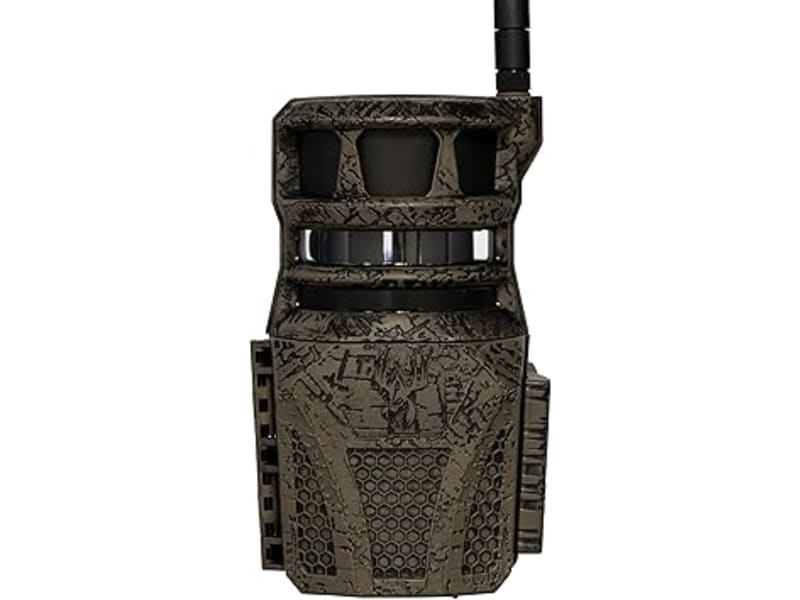
Wildgame
Wildgame Orbit 360
$99.99
per Amazon listing
360-degree cellular scouting at a budget price point
Connectivity
Cellular
Flash
Standard IR
Resolution
36 MP
Trigger speed
0.40s
Detection range
80 ft
Battery
16 AA
As an Amazon Associate we earn from qualifying purchases. Disclosure.
See full specs and score breakdown ↓At a Glance
Score: 6.7/10 | Price: $99.99 | Best for: Budget-conscious hunters who want cellular image delivery and 360-degree property coverage without spending past $120
The Wildgame Orbit 360 centers its pitch on full-circle cellular scouting at a price point where most cellular cameras cover only a single corridor. The camera's listed 36-megapixel still resolution stands out at this tier, pairing with cellular connectivity to push images off-property without a site visit.
What Makes It Different
The core concept behind the Orbit 360 is angular coverage. Standard trail cameras capture a fixed forward arc; the Orbit 360's product name and listing title explicitly indicate 360-degree capture, making it a candidate for open-field setups, scrape monitoring, or interior food-plot positions where a single-direction camera would require multiple units.
The spec data attached to this camera is notable for its class. Wildgame lists 36 megapixels for still images, a figure that sits at the high end of the sub-$120 cellular segment. The listing also states 1080p video, a 400-millisecond trigger speed, and an 80-foot detection range. Those four numbers together represent a reasonable foundation for a budget cellular camera aimed at deer and wildlife monitoring.
Cellular connectivity is the feature that separates the Orbit 360 from non-transmitting cameras at similar price points. Images reach the hunter's phone without requiring a return trip to the stand site. For remote locations, leased ground, or long-distance property owners, that transmission capability has real practical value.
Across 25 Amazon reviews averaging 3.2 stars, buyer feedback reflects a mixed early record. The review sample is small enough that definitive patterns are difficult to establish, and specific performance details remain limited in the available buyer commentary.
The camera's positioning is clear: 360-degree field coverage with cellular reporting, priced under $120.
How It Performs in Remote Property Monitoring
Remote property monitoring is the scenario where the Orbit 360's cellular design does the most work. Hunters managing ground they cannot visit weekly benefit most directly from any camera that transmits images automatically, and the Orbit 360's listed specs address that scenario across a few distinct conditions.
Low-traffic acreage with open-field exposure. A standard 80-foot detection range covers the approach distances typical of field edges and open scrapes. The 400-millisecond trigger speed, as listed in available spec data, is competitive for walking or slowly moving deer at close to medium range. Placing the camera at a central field position and relying on 360-degree coverage reduces the number of units a hunter needs to buy and deploy.
Stand-site and scrape monitoring without return trips. The cellular transmission capability is the operational core here. One verified Amazon buyer writes: "I like the concept of a 360 camera for scrapes." That comment points directly at the use case Wildgame appears to have designed for: a single camera dropped at a sign location and left to report remotely. The 36-megapixel still resolution means images arriving on a phone carry enough detail to identify individual animals at practical distances.
Multi-property or high-workload hunters managing several sites. At $99.99, the Orbit 360 sits at a price where deploying two or three cameras across different properties does not require a major per-unit investment. The 1080p video option adds context when still images alone don't capture the full picture of what's moving through a location.
Battery demand is a practical operating consideration. The camera requires 16 AA batteries, which affects resupply frequency for hunters checking remote locations on irregular schedules.
Best Fit for These Hunters
The budget cellular buyer with a hard price ceiling. A hunter who has decided cellular transmission is necessary but cannot spend past $120 faces a short list of options. The Orbit 360 lands at $99.99 with 36-megapixel stills and 1080p video listed on the spec sheet. That combination at that price reflects the camera's primary market position.
The open-field and scrape monitor. Food plots, open creek crossings, and active scrape locations all share one characteristic: deer approach from variable directions. A 360-degree camera placed at the center of that activity captures movement that a single-direction unit would miss. The 80-foot detection range is well-suited to those close-quarters setups where action happens quickly and at short distance.
The remote-access property owner. Hunters managing leased land, out-of-state properties, or locations requiring a long drive benefit from any camera that removes the need for an in-person SD card pull. The Orbit 360's cellular design sends images directly to the hunter's device. Wildgame Innovations' product page confirms the cellular connectivity feature, and the Amazon listing title references it explicitly.
The hunter building a first cellular setup. A buyer adding cellular monitoring to their scouting program for the first time is weighing cost against the unknown value of remote access. At under $100, the Orbit 360 represents a lower-commitment entry into cellular scouting than most cameras in that category, with a 36-megapixel still spec that does not require the buyer to sacrifice image resolution to stay within budget.
Bottom Line
The Wildgame Orbit 360 addresses a specific gap: 360-degree angular coverage with cellular image delivery at a sub-$100 price. Hunters monitoring scrapes, open fields, or remote locations where a single camera needs to watch multiple approach angles will find the concept directly relevant. The listed specs, including 36-megapixel stills, 1080p video, a 400-millisecond trigger, and an 80-foot detection range, are competitive for the price tier. The camera currently carries a 3.2-star average across 25 Amazon reviews, a data point buyers should weigh alongside the spec sheet when making a purchase decision. For hunters with a hard cellular-camera budget at or below $120, the Orbit 360 at $99.99 occupies that position directly.
Sources
This review draws on the following sources:
Best for
What this camera does best.
- budget hunters needing cellular reporting
- 360-degree property monitoring
- remote scouting locations without frequent site visits
- hunters with a hard sub-$120 ceiling on cellular cameras
The verdict.
Based on available research, the Orbit 360's 360-degree design and cellular connectivity make it conceptually appealing for budget-conscious hunters, but a 3.2-star average across 25 Amazon reviews and the absence of a published manufacturer spec table make confident recommendation difficult until more data is available.
Check Price on Amazon(opens in new tab)Jake
. Research Editor, BestTrailCamera.com
Frequently asked
Questions buyers ask about the Wildgame Orbit 360.
Also consider
Other cameras in the running.

The SPYPOINT Flex-S-Dark is a no-glow cellular trail camera with an integrated solar panel and 40MP still imaging, designed for extended low-maintenance deployments where site pressure and battery longevity are primary concerns.
36MP photos, free data plan, and the best app in the category, the easiest way to get cellular scouting.
Bushnell's cellular entry, 20MP, AT&T/Verizon, and the image quality you expect from the optics brand.
Keep exploring
Compare across Wildgame and cellular trail cameras.
Not sure Wildgame Orbit 360 is the one?
Run the 4-question camera finder.
Picks a camera based on connectivity, use case, power source, flash type, and budget.
Start the finder →