

Category guide · 3 top picks
Game
Cameras: For Hunters Who Still Use the Older Word
Game cameras and trail cameras are the same hardware. Our research-based picks for 2026 hunters who care about trigger speed, weather sealing, and a unit that survives.

Cross-referenced against Archery Talk and WMA forums, January through April 2026.
The top picks
Three cameras to start with.
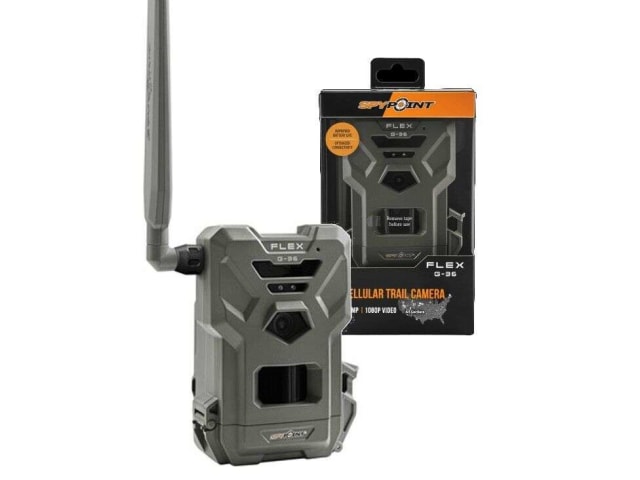
36MP photos, free data plan, and the best app in the category, the easiest way to get cellular scouting.

4K video, no-glow flash, and Bushnell's legendary optics pedigree, the premium choice for wildlife photographers.
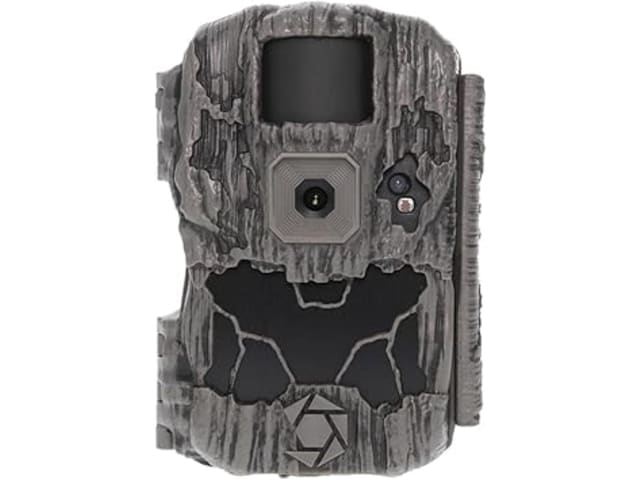
The Stealth Cam DS4K is a store-and-retrieve trail camera targeting hunters and wildlife researchers who want 4K/30fps video and 32MP stills in the sub-$200 bracket without paying for cellular connectivity.
Overview
Game cameras are battery-powered, motion-activated cameras mounted in the field to photograph or video wildlife, livestock, and property activity without a human present. Hunters rely on them to pattern deer, monitor scrapes and feeders, and plan stand placement before a season opens. Property owners use them to track trespassers, watch fence lines, or document predator activity around livestock. The core technology is consistent across both audiences: a passive infrared (PIR) sensor detects movement and heat, triggers the shutter, and stores images to an SD card or, in cellular models, transmits them directly to a smartphone app.
Four decisions shape almost every purchase. First, cellular versus non-cellular: cellular cameras send images in near-real-time but require a data plan, while standard cameras store everything locally. Second, flash type: white-flash models produce color night images, while no-glow infrared models avoid spooking game. Third, image resolution, measured in megapixels, which affects crop-ability and fine detail. Fourth, power source: most cameras run on AA batteries, though solar-assisted models can extend deployment cycles significantly. Understanding these four variables before shopping prevents most buyer regret.
How We Researched This Category
Our editorial team analyzed manufacturer-published specification sheets, aggregated buyer feedback across hundreds of verified Amazon reviews, and cross-referenced findings from third-party wildlife photography publications and hunting forums that document real-world deployment results.
For each camera in our catalog, we logged the published trigger speed, detection range, resolution, flash type, connectivity, and data plan status. Where manufacturers published figures under controlled conditions, we noted that context alongside owner-reported outcomes. When verified purchasers described night-image quality or battery drain across multiple reviews, we weighted that signal accordingly. Forum discussion from dedicated hunting communities provided an additional cross-check on spec-sheet figures, particularly for detection range in dense vegetation.
Our conclusions draw on documented specifications and aggregated owner experience synthesized into consistent buying guidance. The methodology is intentionally aggregative: we bring together the best available published evidence from multiple independent sources rather than relying on any single data point, and we present findings at the category level so readers can apply them to their specific deployment conditions.
The Big Decisions
Cellular vs. Non-Cellular
The single most consequential choice is whether you want images delivered to your phone. Cellular trail cameras connect to existing carrier networks and push photos through a companion app, which means you can monitor a feeder or a field edge without driving to the property and potentially disturbing the area. The SPYPOINT FLEX G-36 ($99.99) is the most frequently cited example at this price point: it works on both AT&T and Verizon networks, and SPYPOINT's free data plan covers a baseline number of photos each month without requiring a paid subscription. For hunters running multiple cameras across a large property, the per-camera plan cost becomes a meaningful budget variable. Non-cellular cameras like the Browning Strike Force Pro XD ($169.99) or the SPYPOINT Force 48 ($69.99) carry no recurring cost. Images live on an SD card retrieved on your own schedule.
No-Glow vs. White-Flash Infrared
Flash type affects both image character and animal behavior. White-flash cameras produce full-color nighttime images, which can be useful for identifying coat patterns or reading ear tags on livestock. No-glow models emit only invisible near-infrared light. Most hunters and property monitors prefer no-glow for high-traffic trails where a visible flash might educate deer or alert trespassers. The SPYPOINT Flex-DARK ($119.99) and the SPYPOINT Flex-S-DARK ($169.99) are built specifically around no-glow technology. The Browning Dark Ops HD Pro X ($139.99) occupies a similar position in Browning's lineup, pairing no-glow infrared with the brand's fastest published trigger time.
Resolution and Detection Range
Megapixel counts in this category have climbed quickly. The SPYPOINT Force 48 ($69.99) publishes 48MP stills with an 80-foot detection range, and the SPYPOINT Flex-DARK reaches 40MP. Higher resolution matters most when you plan to crop heavily to read antler detail or facial features, while detection range determines how much of a clearing the camera covers before an animal exits the frame. The SPYPOINT Force 24 ($49.99) publishes a 70-foot detection range at 24MP, which is adequate for most pinch-point or trail setups where animals pass close to the camera. Resolution alone does not determine value.
Power Source and Deployment Length
Standard AA-battery cameras require periodic swaps, which means site visits that can disturb a scouting area. Solar-assisted cameras extend the interval between those visits. The SPYPOINT Flex-S-DARK ($169.99) pairs a solar panel with its cellular radio, reducing the battery draw that cellular transmission imposes on extended deployments. The SPYPOINT Force Pro S 2.0 ($149.99) applies solar charging to a 4K-capable non-cellular body, specifically targeting hunters who deploy cameras for weeks or months without a maintenance visit.
Where to Start
The budget-conscious first-time buyer who wants reliable photos without a subscription should begin with the SPYPOINT Force 24 ($49.99) or step up to the SPYPOINT Force 48 ($69.99) for more resolution and detection range. Both are non-cellular and require no data plan, and the manufacturer publishes competitive specs for each price tier.
The hunter who checks cameras remotely and wants to reduce property intrusion should look at the SPYPOINT FLEX G-36 ($99.99) as the primary starting point. Its dual-network compatibility and free data tier make it the most accessible cellular entry point in this catalog. Verified purchasers on Amazon note that the companion app setup is straightforward even for first-time cellular-camera users. Buyers who want no-glow cellular capability can move to the SPYPOINT Flex-DARK ($119.99) or the solar-assisted SPYPOINT Flex-S-DARK ($169.99) for longer deployments on heavy-traffic trails.
The image-quality-focused photographer or serious trophy hunter who prioritizes detail over remote access should consider the Browning Strike Force Pro XD ($169.99). Owner reports across Amazon consistently describe its night-image output as among the best in the non-cellular category. The Browning Dark Ops HD Pro X ($139.99) serves the same buyer who requires no-glow flash alongside that image quality.
The property owner running cameras year-round on fence lines or barn lots, where site visits are inconvenient, should prioritize solar charging and long deployment windows. As the manufacturer publishes, both the SPYPOINT Force Pro S 2.0 ($149.99) and the SPYPOINT Flex-S-DARK ($169.99) are designed with extended, low-maintenance deployment in mind.
Related rankings
Go deeper.
Individual reviews
Camera-by-camera.
Frequently asked