

Hunt Guide
Trail cameras for whitetail deer hunting.
Deer hunting is the use case that built the trail camera category. The right setup turns a 90-day season into 365 days of pattern observation, antler-growth tracking, and pre-season scouting that arrives without ever putting boots on a scrape line.

What this species demands
Whitetail deer demand fast, quiet cameras.
Whitetails are the primary target for the vast majority of North American trail camera users. Mature bucks moving through a scrape line at first light or crossing a pinch point in low-light conditions reward the cameras that can capture fast movement at the edges of detection range. A 0.2-second trigger speed is the working minimum for serious deer scouting.
The two recurring debates for deer hunters are cellular versus SD card and standard IR versus no-glow. Cellular cameras like the SPYPOINT FLEX G-36 let a hunter monitor scrapes and food plots from home, removing the human-scent disturbance that suppresses daytime buck activity. No-glow cameras eliminate any visible flash that could spook nocturnal bucks, which is a high priority on pressured public ground.
Camera placement matters as much as camera selection. Food plot edges, primary scrapes, pinch points, and water sources during drought are the highest-yield locations across the calendar. Mount at roughly 3 feet, angled slightly downward, facing north or east to minimize sun-triggered false alerts.
Looking for ranked picks?
See our 2026 ranking: Best Trail Cameras for Deer Hunting →
If you've already done the scouting homework and want a ranked, scored shortlist of camera-by-camera picks, the dedicated listicle is the faster path. This page is the hunting guide; that page is the buying guide.
Starter picks
Three deer cameras to start with.
Best SD card pick for trail and food plot work, best cellular for scrape-line scouting from home, and a long-range pick for big agricultural cuts.
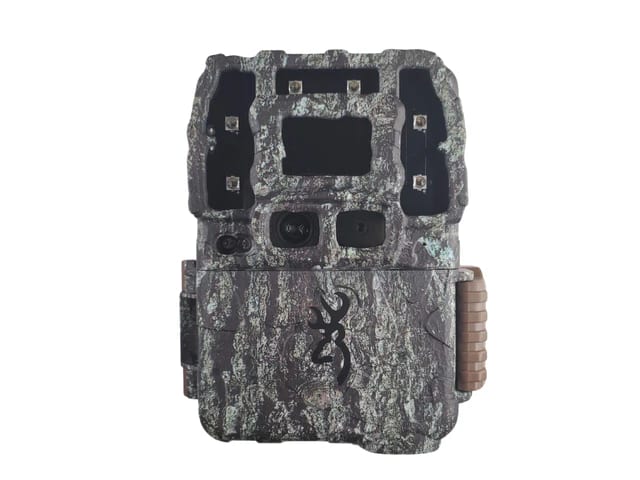
0.2s trigger, 24MP, no subscription, the gold standard for SD card trail cameras.
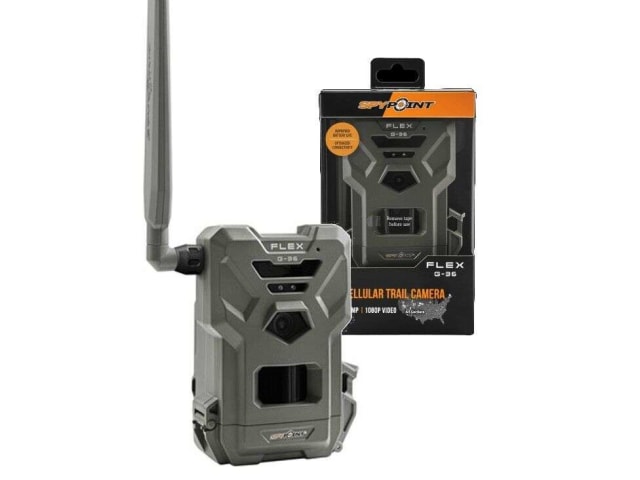
36MP photos, free data plan, and the best app in the category, the easiest way to get cellular scouting.
Placement and calendar
Where to put cameras and when.
Position cameras on primary scrapes from mid-September through the peak of the rut for maximum buck activity. A licking branch above a mock scrape dramatically increases check-in frequency. Avoid clearing shooting lanes or adjusting nearby cover within 48 hours of deployment, the disturbance scent alone can suppress daytime activity for days.
For mineral sites and food plots, late April through August produces the highest activity as bucks grow antlers and use minerals aggressively. Use a no-glow camera for any site near a bedding area or on heavily pressured public ground, a single visible flash spooking a mature buck can ruin months of scouting.
In cold weather, switch to lithium batteries below 40°F. Alkaline batteries lose 30 to 50 percent of their capacity at freezing temperatures, which is the most common cause of mid-season camera dropouts.
Related rankings
Go deeper.
Individual reviews
Camera-by-camera.
Other species
Trail cameras for other game.
Elk trail cameras
Long-range detection for wallows, meadows, and backcountry timber. Premium-tier territory.
Turkey trail cameras
No-glow setups for strut zones, roosts, and dust baths. Spring gobbler scouting.
Hog trail cameras
Nocturnal sounders, feeder sites, no-glow IR is non-negotiable.
Bear trail cameras
Lockbox-grade durability. Berry patches, baits where legal, travel corridors.
Frequently asked
Questions hunters actually ask.
Not sure which fits?
Run the 4-question camera finder.
Picks a camera based on connectivity, use case, power source, flash type, and budget.
Start the finder →