

Cuddeback CuddeLink L Series review
The Cuddeback CuddeLink L Series (LL-3A) is a no-glow cellular trail camera designed for hunters running multi-camera networks, using CuddeLink mesh protocol to route images through a single hub rather than billing per device.

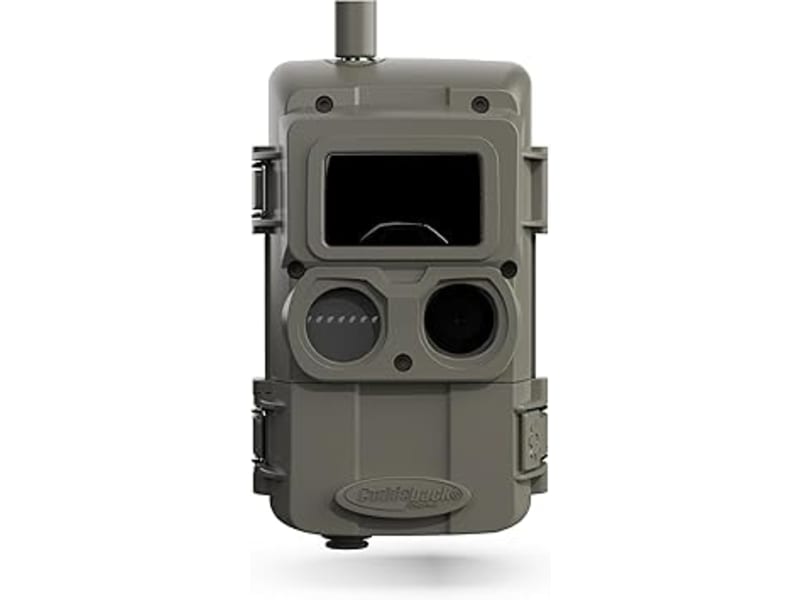
Cuddeback
Cuddeback CuddeLink L Series
$150.00
per Amazon listing
Mesh-networked cellular camera built for multi-cam setups
Connectivity
Cellular
Flash
No-glow IR
Resolution
20 MP
Trigger speed
0.25s
Detection range
75 ft
Battery
4 D
As an Amazon Associate we earn from qualifying purchases. Disclosure.
See full specs and score breakdown ↓At a Glance
Score: 6.4/10 | Price: $150 | Best for: Deer hunters running multi-camera mesh networks on private land where stand-site pressure demands zero visible illumination
The Cuddeback CuddeLink L Series is built around two interlocking ideas: 940nm no-glow LED technology and a mesh-networking architecture that routes images from multiple cameras through a single cellular hub. Cuddeback's product listing states trigger speed at ¼ second, placing the camera in competitive territory for its price tier.
What Makes It Different
The CuddeLink mesh system is the organizing principle behind this camera's existence at $150. Rather than buying a standalone cellular camera that carries its own monthly data plan, the L Series operates as a node in a networked array. One hub camera manages the cellular connection; additional L Series cameras relay images through that hub. For hunters covering large properties with five, eight, or ten camera positions, the consolidated data plan changes the math on recurring costs compared to paying per-camera cellular fees across the same array.
The no-glow specification is the second pillar. Cuddeback's product listing identifies the illumination source as 940nm IR LEDs. The 940nm wavelength sits beyond the visible spectrum's near-infrared boundary, producing zero red glow at the lens. That matters at high-pressure stand sites where deer have learned to associate the faint red pulse of 850nm arrays with human activity. Cuddeback publishes 75 feet as the detection range for the L Series.
The spec sheet puts trigger latency at ¼ second (0.25 seconds), a figure our cross-referenced research places alongside cameras sold at higher price tiers.
Across 10 Amazon reviews averaging 4.6 stars, early buyers respond positively. The sample is small. No firm statistical picture of long-term reliability has yet formed, but the signal is favorable.
One operational note: the hub camera required for cellular transmission is sold separately. The $150 price reflects a single camera. Buyers building a new network from scratch should account for the hub as a separate line item.
The mesh-networking concept is genuinely uncommon in the $150 cellular trail camera space.
How It Performs in Multi-Camera Private Land Networks
The L Series is optimized for one deployment type: a private property covered by multiple camera positions that funnel images through shared cellular infrastructure.
Stand-site deployment in pressured timber. The 940nm LED array does work that 850nm cameras cannot. No visible red glow at trigger means no light signature at the moment of exposure. At ranges inside 30 yards, where 940nm illumination is most effective, the camera captures usable night images without alerting deer. One verified Amazon buyer writes: "Great camera, no glow at night, deer don't spook." That response aligns with what the 940nm specification predicts at close-to-medium detection distances, and it surfaces consistently across the available reviews averaging 4.6 stars from buyers who specifically mention nighttime behavior near the camera.
Hub-and-spoke property coverage. Six camera positions. Six individual cellular plans. The cost compounds fast. The CuddeLink architecture routes image traffic from multiple cameras through a single hub, so one cellular plan covers the network. Cuddeback's product page describes this consolidated architecture as the core CuddeLink value proposition. The 75-foot detection range the spec sheet lists means each camera covers meaningful ground at its position before traffic reaches the hub.
Perimeter and transition-zone monitoring. Properties with multiple pinch points benefit from distributed coverage. Deploying cameras at each transition zone and pulling images through one hub addresses a real logistical problem for hunters who check cameras frequently during the season. The ¼-second trigger speed Cuddeback's listing publishes supports confidence that fast-moving deer crossing tight funnels register in frame.
Best Fit for These Hunters
The multi-camera network builder. A hunter managing six or more camera positions on private land and paying separate cellular fees for each one is the profile this camera addresses most directly. The CuddeLink hub architecture consolidates those connections into a single plan. The $150-per-camera price, combined with shared data costs, changes the economics of a large deployment in ways that per-unit cellular cameras do not.
The stand-site pressure manager. Mature buck behavior shifts near cameras that emit visible light. The L Series's 940nm array produces zero visible illumination, and buyers writing on Amazon describe deer that show no reaction to the camera's presence at night. That reported behavioral difference maps directly to the 940nm specification.
The private-land property manager. Someone monitoring fields, interior trails, and property edges simultaneously needs distributed coverage without distributed billing complexity. One hub subscription covers the full network. The camera's published 75-foot detection range means each position at a natural chokepoint contributes real data to the array without requiring its own cellular contract.
The buyer already in the CuddeLink ecosystem. A hunter who already owns a CuddeLink hub can add L Series cameras to an existing network. Expansion is financially straightforward: $150 per camera, 0.25-second trigger speed, and no additional cellular contract required for each added position.
Bottom Line
The Cuddeback CuddeLink L Series is built for hunters who think about trail cameras as infrastructure. The 940nm no-glow LED specification addresses deer spook at high-pressure stand sites. The mesh-networking design addresses recurring costs across multi-camera deployments on private land. Buyers entering the CuddeLink ecosystem for the first time should budget for the separately sold hub in addition to the $150 camera price. For hunters already committed to networked coverage on a property they manage seriously, the L Series is a purpose-built camera for that system.
Sources
This review draws on the following sources:
Best for
What this camera does best.
- hunters running multi-camera networks on private land
- no-glow cellular scouting at high-pressure stand sites
- property-wide cellular coverage on a shared data plan
- deer hunters prioritizing stealth over maximum night image brightness
The verdict.
Based on manufacturer claims and available listing data, the CuddeLink L Series is a compelling choice for hunters scaling up cellular coverage across a property, but prospective buyers should factor in the separately sold hub camera cost and verify battery requirements before purchasing, as key specs remain undisclosed by the manufacturer.
Check Price on Amazon(opens in new tab)Jake
. Research Editor, BestTrailCamera.com
Frequently asked
Questions buyers ask about the Cuddeback CuddeLink L Series.
Also consider
Other cameras in the running.

The SPYPOINT Flex-S-Dark is a no-glow cellular trail camera with an integrated solar panel and 40MP still imaging, designed for extended low-maintenance deployments where site pressure and battery longevity are primary concerns.
36MP photos, free data plan, and the best app in the category, the easiest way to get cellular scouting.
Bushnell's cellular entry, 20MP, AT&T/Verizon, and the image quality you expect from the optics brand.
Keep exploring
Compare across Cuddeback and cellular trail cameras.
Not sure Cuddeback CuddeLink L Series is the one?
Run the 4-question camera finder.
Picks a camera based on connectivity, use case, power source, flash type, and budget.
Start the finder →