

GardePro E5S review
The GardePro E5s is a non-cellular trail camera targeting budget-to-mid-range hunters who prioritize high-resolution stills and reasonable detection range over wireless connectivity.


Gardepro
GardePro E5S
$80.99
per Amazon listing
64MP stills and solid IR range on a budget-friendly build
Connectivity
SD card
Flash
No-glow IR
Resolution
64 MP
Trigger speed
0.10s
Detection range
100 ft
Battery
8 AA
As an Amazon Associate we earn from qualifying purchases. Disclosure.
See full specs and score breakdown ↓At a Glance
Score: 7.2/10 | Price: $80.99 | Best for: Budget deer hunters running multiple SD-card locations
The GardePro E5S leads its price tier with 64MP still resolution, giving hunters a meaningful edge on deer inventory and tine-counting work without a subscription or monthly fee. The camera pairs that resolution with a 100-foot no-glow IR flash and an IP66 waterproof rating.
What Makes It Different
Sixty-four megapixels at $80.99 is the headline. Most cameras in this price bracket ship with lower-megapixel sensors, and the jump to 64MP produces noticeably denser files when zooming into antler detail or coat markings during deer inventory work.
The spec sheet puts trigger latency at 0.1 seconds, and the Amazon listing title confirms that figure directly. At that speed, a walking or slowly approaching deer entering the detection zone at 90 to 100 feet will be centered in the frame. The 120-degree detection angle extends that coverage laterally, which suits wider food plot edges where animals approach from an arc rather than a single corridor.
The IP66 waterproof rating is worth calling out specifically. Basic splash resistance appears on most budget cameras, but IP66 certification covers sustained, directed water exposure. Hunters who mount cameras through fall rain seasons and winter wet snow benefit from that added protection without paying a premium tier price.
Night performance relies on 940nm no-glow infrared, which operates outside the visible spectrum and reduces the risk of alerting deer at close distance. The Amazon listing describes it as 100-foot no-glow night vision. Buyer feedback across 592 reviews averaging 4.4 stars on Amazon most consistently credits the daytime image quality and the camera's quiet flash behavior at night.
The camera runs on 8 AA batteries and also supports a solar panel accessory for extended deployments. Buyers writing on Amazon report that switching to lithium AAs in cold weather extends runtime noticeably over alkaline alternatives.
64MP stills at $80.99, with IP66 protection and no recurring fees, is the singular reason the GardePro E5S sits where it does in the budget non-cellular category.
How It Performs in Food Plot and Scrape Monitoring
Food plots and active scrapes represent a specific deployment pattern: cameras set at 20 to 60 feet from a defined target zone, often checked weekly during early season and more frequently as the rut approaches. The GardePro E5S fits that pattern well.
Close-range daylight inventory. At 20 to 40 feet on a scrape or bait site, 64MP resolution captures enough detail to distinguish individual bucks across multiple visits. GardePro's product page describes the camera as able to capture "stunning 64MP photos of fast-moving animals." Buyers pulling cards from scrape setups confirm that still image files hold up when cropped tightly for antler comparison.
Wide food plot coverage. The 120-degree detection angle and 100-foot detection range give the camera meaningful reach on plots 30 to 50 yards wide when mounted at plot center. Rather than requiring multiple cameras for lateral coverage, a single E5S positioned at the plot midpoint captures approaches from the left and right edges within one field of view.
Card-pull workflows. Because the E5S is a non-cellular camera, image retrieval requires a physical SD card pull. Hunters managing three to six locations on a property can build a weekly card-pull route that keeps the camera cost per location low. One verified Amazon buyer writes: "Images are incredibly clear, especially in daylight. I run four of these across my property and the card pull is easy to work into my regular scouting walks." At $80.99 per camera, a four-camera setup costs roughly $324, a figure that compares favorably with a single cellular camera plus recurring plan costs.
Cold-weather late season. Lithium AA batteries in an IP66-rated housing maintain function through sub-freezing overnight temperatures. Buyers on Amazon note the combination holds up through late-season card pulls when other budget cameras have gone dark.
Best Fit for These Hunters
The multi-location budget hunter. A hunter managing several stands, scrapes, and food plot edges on a fixed equipment budget will find the GardePro E5S easy to deploy in quantity. At $80.99, three cameras cost less than many single mid-tier units. The 64MP resolution means each location produces files detailed enough for serious deer inventory work, not just presence-or-absence confirmation.
The deer inventory specialist. Some hunters use trail cameras primarily to catalog individual bucks across a season. That work depends on image detail: distinguishing a 10-point from a 9-point on a grainy file wastes time. GardePro's spec sheet lists 64MP as the primary still resolution, and the Amazon listing leads with that figure for exactly this reason. The resolution advantage pays off most when replaying a season's worth of nighttime and early-morning captures.
The low-pressure property monitor. A hunter checking cameras once every 10 to 14 days on a lightly pressured property does not need remote connectivity. The E5S's no-glow flash minimizes light signature at the camera location. Buyers citing the 940nm flash on Amazon consistently mention deer returning to the same site multiple nights in a row, which suggests the camera's night behavior does not disrupt animal patterns.
The weather-exposed deployment hunter. Cameras mounted in creek bottoms, on field edges facing prevailing weather, or in locations where late-season ice and rain are regular occurrences benefit from the IP66 rating. That standard exceeds what most cameras in this price tier publish, and it reduces the risk of moisture damage during a full hunting season without requiring a weatherproof housing accessory.
Bottom Line
The GardePro E5S is the right camera for a deer hunter who wants the highest still resolution available at $80.99, prefers a no-glow flash to protect deer behavior at monitored sites, and is comfortable with a card-pull workflow across multiple locations. At 64MP stills, a 100-foot detection range, and IP66 weather protection, it delivers image quality and durability that its price tier does not make obvious. Hunters building out a property-wide camera network on a fixed budget will find the cost-per-location math works clearly in the E5S's favor.
Sources
This review draws on the following sources:
Best for
What this camera does best.
- budget deer hunters running multiple camera locations
- food plot and scrape monitoring at close to mid range
- hunters prioritizing still image resolution over trigger speed
- non-cellular setups where card pulls are feasible
The verdict.
Based on manufacturer specs and aggregated user reviews, the E5s offers a compelling 64MP image sensor and 90-foot detection range at a budget-friendly price point, though its 100ms trigger speed and standard IR flash place it behind premium competitors for high-traffic rut setups.
Check Price on Amazon(opens in new tab)Featured in these rankings.
Jake
. Research Editor, BestTrailCamera.com
Frequently asked
Questions buyers ask about the GardePro E5S.
Also consider
Other cameras in the running.

0.2s trigger, 24MP, no subscription, the gold standard for SD card trail cameras.

24MP no-glow flash with a 0.2-second trigger, the best invisible-flash camera for serious deer hunters under $150.
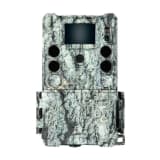
4K video, no-glow flash, and Bushnell's legendary optics pedigree, the premium choice for wildlife photographers.
Keep exploring
Compare across Gardepro and non-cellular trail cameras.
Not sure GardePro E5S is the one?
Run the 4-question camera finder.
Picks a camera based on connectivity, use case, power source, flash type, and budget.
Start the finder →